



















Xylan Coating Services
AST applies Whitford/PPG Xylan composite dry-film coatings across Australia and New Zealand — thin-film systems that deliver corrosion protection, dry lubrication, release and wear resistance in a single thermally cured coat.
The two grades we are asked for most are Xylan 8870 “Thyme Green” for release and non-stick duty and Xylan 1052 for bearing and sliding-contact service. Other grades are available on request, and all work carries a lifetime workmanship warranty.
Short answer: Xylan is a family of composite fluoropolymer dry-film coatings manufactured by Whitford, now part of PPG. A fluoropolymer lubricant is blended with organic resin binders and thermally cured, producing a thin film that protects against corrosion, lubricates, releases and resists wear — all in one coat. That combination is why Xylan dominates fastener and hardware duty, where a sintered fluoropolymer film would be the wrong tool.
What Xylan is
Xylan coatings are composites, not pure fluoropolymer films. A fluoropolymer lubricant is blended with organic resin binders to give corrosion and wear resistance in one system, and the composite cures at a lower temperature than a sintered PTFE or PFA film. The result is a thin, dry-lubricating surface that can go onto parts and alloys a full fluoropolymer sinter cycle would not suit.
Because Xylan is a family rather than a single product, grade selection does the real work. Corrosion duty, release duty and bearing duty each call for a different grade, and the substrate's heat tolerance narrows the field further. Tell us what the part does and we will specify the grade rather than defaulting to one.
Grades we apply
Xylan 8870 “Thyme Green” — release & non-stick
A PTFE-rich solvent-borne dry film applied as a thin film of approximately 20–40 µm. Xylan 8870 is FDA-acceptable, which makes it the grade we specify for mould release and non-stick fixtures in food production as well as general release tooling. The thin build is the point: it releases without adding enough thickness to disturb a critical dimension on a mould or former.
- Thin film — approximately 20–40 µm
- FDA-acceptable
- Mould release and non-stick fixtures
- Preserves critical tooling dimensions
Xylan 1052 — bearing grade
A PTFE and molybdenum disulphide (MoS₂) dry-film bearing coating rated to 150,000 psi (approximately 1 GPa) contact pressure, with a coefficient of friction around 0.05 and roughly 100× lower wear rate than unfilled PTFE in sliding bearing service. It cures at 230 °C, so it suits titanium alloys and many aluminium tempers, and a low-temperature cure schedule is available for temper-sensitive aluminium.
- Rated to 150,000 psi (~1 GPa) contact pressure
- Coefficient of friction around 0.05
- ~100× lower wear rate than unfilled PTFE in sliding service
- 230 °C cure, with a low-temperature schedule available
Other Xylan grades are available on request. The fastener corrosion grades — and their published ASTM B117 salt spray benchmarks — are covered in detail on our anti-corrosion coatings page.
Xylan applications
Fasteners & hardware
- Threaded fasteners and bolting
- Controlled make-up and break-out torque
- Offshore, marine and petrochemical hardware
- Structural assemblies and fittings
Mould release & tooling
- Production moulds and formers
- Non-stick jigs and fixtures
- Food-production tooling (Xylan 8870)
- Release surfaces where build must stay thin
Bearing & sliding contact
- Thrust and plain bearings
- Sliding-contact wear faces
- Low-friction shafts and pivots
- Temperature-sensitive alloy components
Fastener duty is the classic case: Xylan-coated threaded hardware gets corrosion protection and a controlled, repeatable make-up and break-out torque in industrial and offshore service. Precision toolmakers and engineering shops more often come to us for the release and bearing grades — see engineering & specialised equipment for how that work runs.
Why AST for Xylan
Thin-film work leaves little margin. A 20–40 µm dry film has to be even across the whole part, clean at the edges, and applied over a substrate prepared to the right profile. AST runs the same surface preparation, application control and QA discipline on Xylan work as on fluoropolymer lining work, with film build checked and documented before parts leave.
Coating turnaround is typically 7–10 working days from receipt of parts, and every job carries AST's lifetime workmanship warranty. Where a grade is outside our standard stock the lead time extends — we will tell you that at quote stage rather than after you have committed.
AST applies the full range — Chemours Teflon (PTFE/PFA/FEP/ETFE), Syensqo Halar (ECTFE) and PPG/Whitford Xylan composite dry films. As the only licensed industrial fluoropolymer applicator in Australia, New Zealand and South East Asia, AST carries direct manufacturer support across the entire product line, and provides a lifetime warranty on workmanship.
Where thin-film dry lubricants earn their place
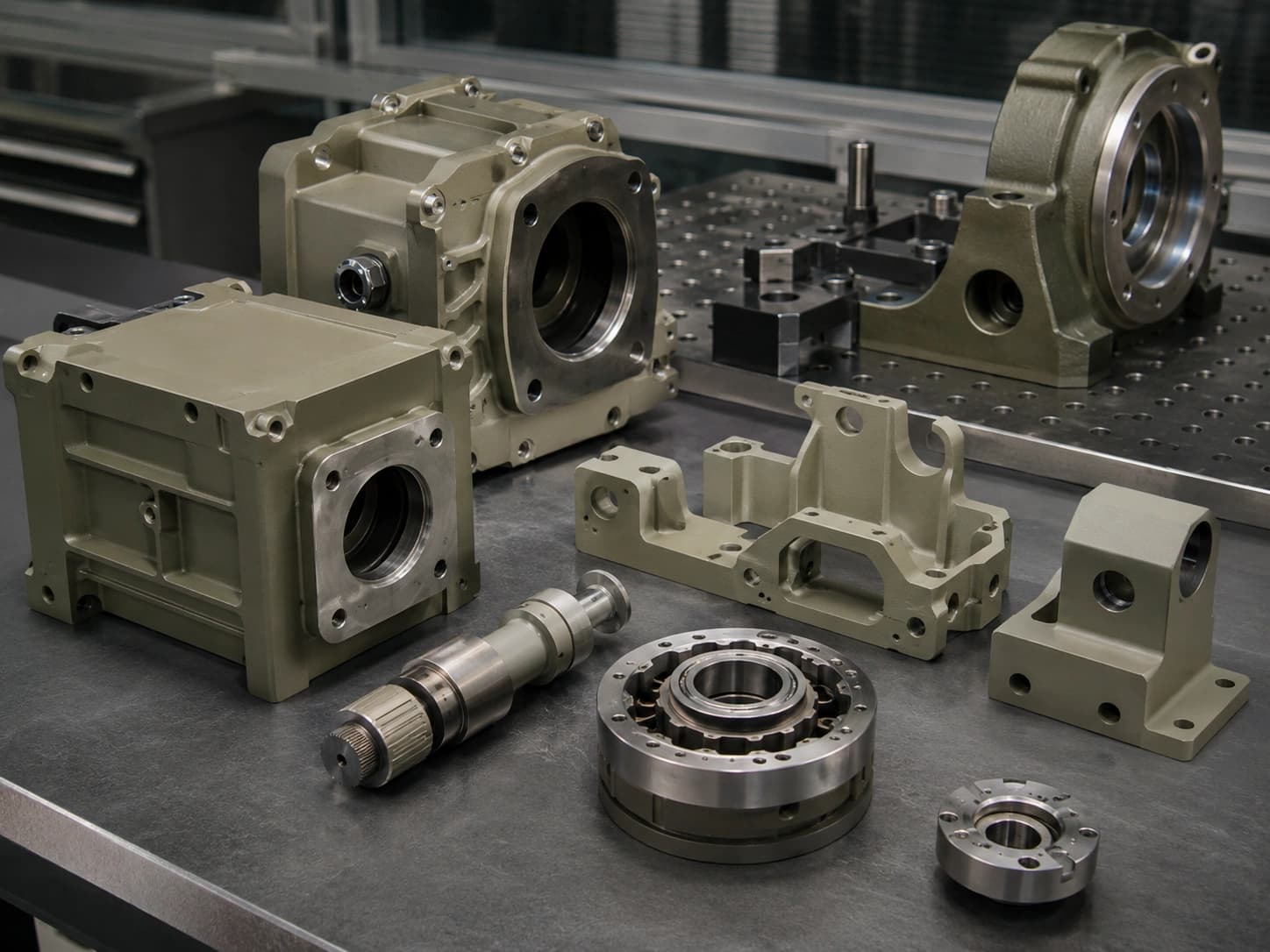
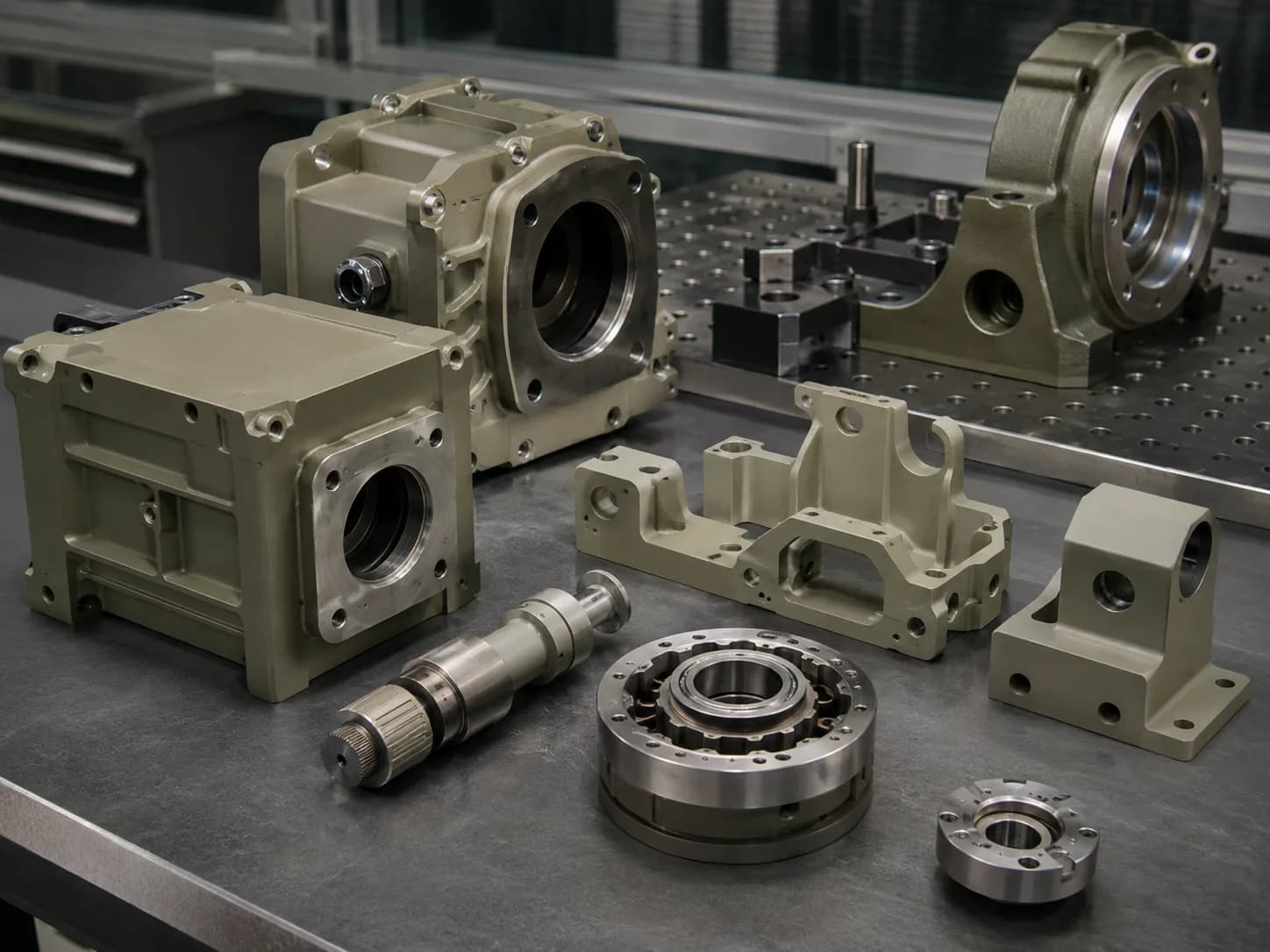
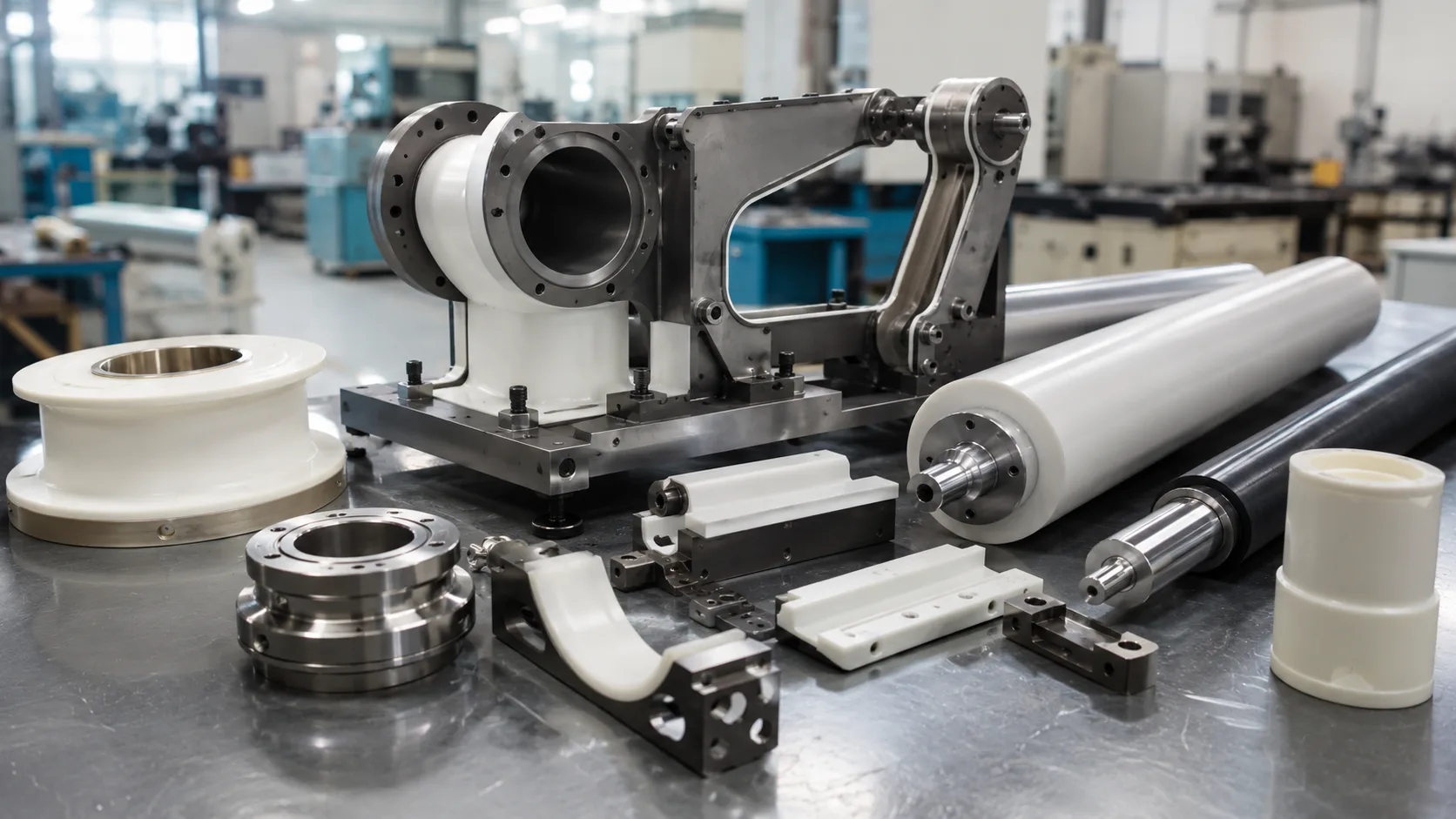
Composite dry films sit on hardware, housings, bearing faces and release tooling — anywhere a part needs low friction and corrosion protection without the film build of a lining system.
Frequently Asked Questions
Is Xylan the same as Teflon?
Is Xylan food safe?
What is Xylan 1052 used for?
Can you coat temperature-sensitive parts with Xylan?
Only licensed industrial fluoropolymer applicator in Australia, New Zealand and South East Asia
Yearly technical and quality audits by Chemours Global
Lifetime warranty on workmanship
Need Xylan applied to fasteners, tooling or bearing parts?
Send us the part, the substrate alloy and what it has to do in service. Our team will specify the grade and prepare a technical quotation.