



















Short answer: Xylan® is a family of PPG dry-film coatings, and the grade number tells you its job. 1052 is the bearing grade for high loads, 1014 a harder general dry lubricant, 1424 the fastener grade, 1421 a waterborne anti-friction coating, and 8870 and 8840 are release grades used on food and dairy equipment. Choose by the duty first, then check the cure temperature against your substrate.
Specifications often just say “Xylan”, but there are dozens of grades and they behave very differently. A bearing grade is the wrong choice for a food mould, and a release grade is the wrong choice for a bearing. This guide covers the grades AST applies or sources most, with figures from PPG's own data sheets.
Which grade for which job?
High load or contact pressure
Xylan 1052, rated to 150,000 psi (about 1 GPa) contact pressure
Bolts and threaded fasteners
Xylan 1424: over 1,500 h ASTM B117 at 25 µm on zinc-phosphated steel (PPG data)
Food contact and release
Xylan 8870, or 8840 where a white finish is wanted
Titanium or temper-sensitive aluminium
A low-cure grade such as 1052, 1014 or 1424 (about 232 °C), not 8870 or 8840 (360–400 °C)
The grades side by side
- Film
- 15–25 µm
- Cure (metal temperature)
- 10 min at 232 °C (275 °C for better chemical resistance)
- Use temperature
- 260 °C continuous, 315 °C intermittent
- Typical use
- Thrust bearings, bearing faces, swash plates, high-load slides
- Film
- 15–25 µm
- Cure (metal temperature)
- 10 min at 232 °C (275 °C option)
- Use temperature
- 260 °C continuous, 300 °C intermittent
- Typical use
- Sliding parts that need abrasion resistance
- Film
- 15–25 µm
- Cure (metal temperature)
- 15–10 min at 204–232 °C
- Use temperature
- −50 to +176 °C continuous, 204 °C intermittent
- Typical use
- Bolts and threaded fasteners: corrosion and torque
- Film
- 20 ± 5 µm
- Cure (metal temperature)
- Confirmed from the data sheet for each job
- Use temperature
- −50 to +175 °C continuous, 230 °C intermittent
- Typical use
- Low-friction parts on common metals and aluminium
- Film
- 2 coats of 12.5–17.5 µm
- Cure (metal temperature)
- 5 min at 400 °C, 10 at 380 °C or 15 at 360 °C
- Use temperature
- 204 °C continuous, 250 °C intermittent
- Typical use
- Mould release and non-stick fixtures in food production
- Film
- 20 ± 5 µm per coat, usually 2 coats
- Cure (metal temperature)
- 5 min at 400 °C (minimum 15 min at 375 °C)
- Use temperature
- 205 °C continuous, 230 °C intermittent
- Typical use
- White food-contact release: cheese moulds, augers, mixer bowls
Source: PPG/Whitford product data sheets for the colour codes AST holds. Other colours and grades differ; we confirm against the sheet for your grade before quoting.
Bearing and high-load grades: 1052 and 1014
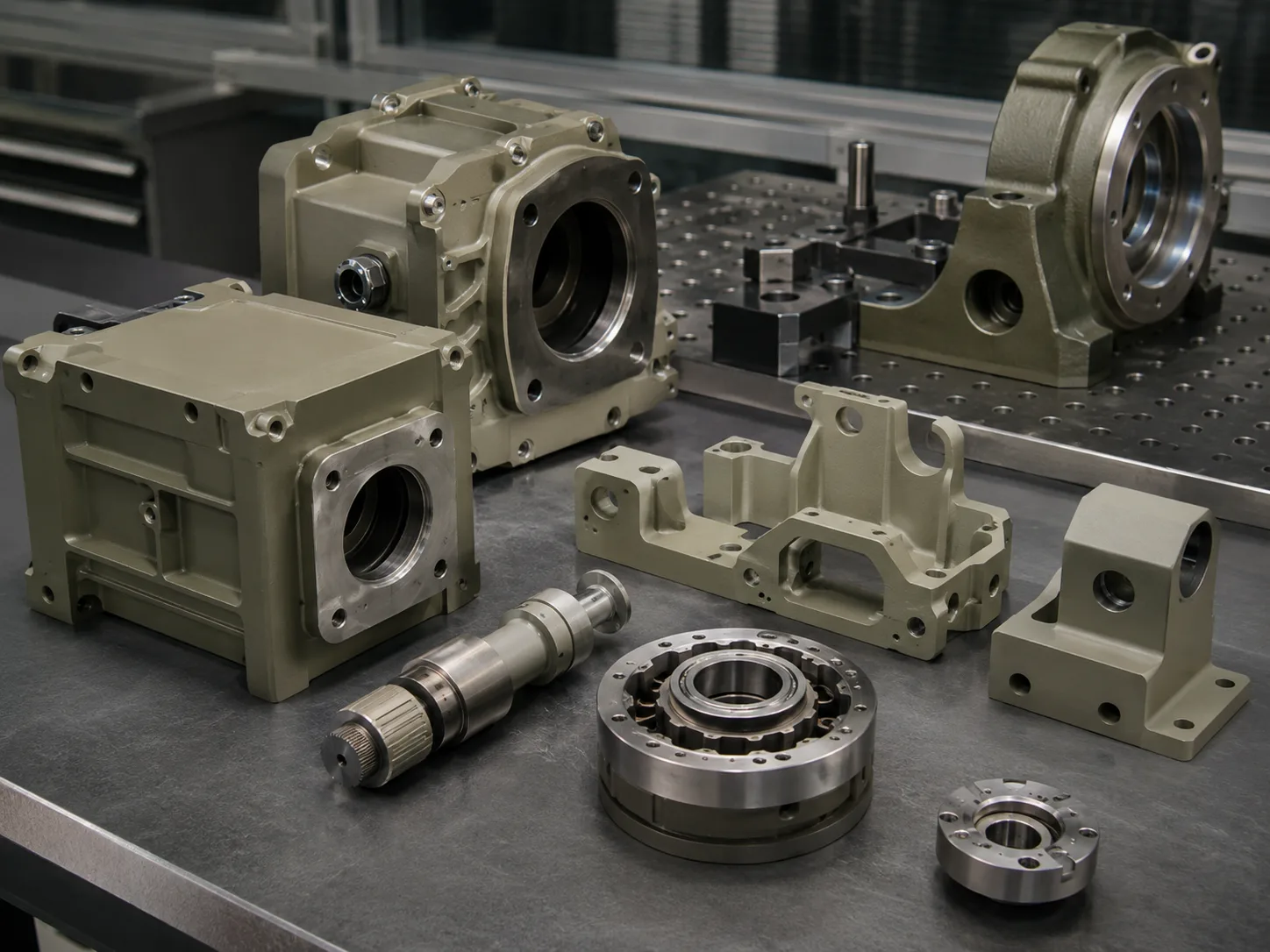
Xylan 1052 combines PTFE with molybdenum disulphide, a dual lubrication system that keeps working under extreme contact pressure: up to 150,000 psi, with a coefficient of friction around 0.05. It is the grade for thrust bearings, bearing faces and sliding parts that run dry. It cures in 10 minutes at 232 °C, low enough for titanium and many aluminium tempers. AST has applied it to the bearing faces of aluminium aerospace flight hardware, with the cure matched to the alloy temper.
Xylan 1014 has more bonding resin, which gives a harder, more abrasion-resistant film (pencil hardness 2H–4H) for sliding parts that see wear as well as friction. Same film build and cure as 1052.
Fastener grade: 1424
Xylan 1424 is a waterborne, VOC-compliant coating made for bolts and threaded fasteners. It protects against corrosion and lowers the torque needed to reach the right preload, with a coefficient of friction of 0.05–0.10. PPG reports that 1424 at 25 µm over zinc-phosphated steel exceeded 1,500 hours of ASTM B117 salt fog, with less than 15% red rust, and that it does even better over a sacrificial primer or zinc plating.
Release grades: 8870 and 8840
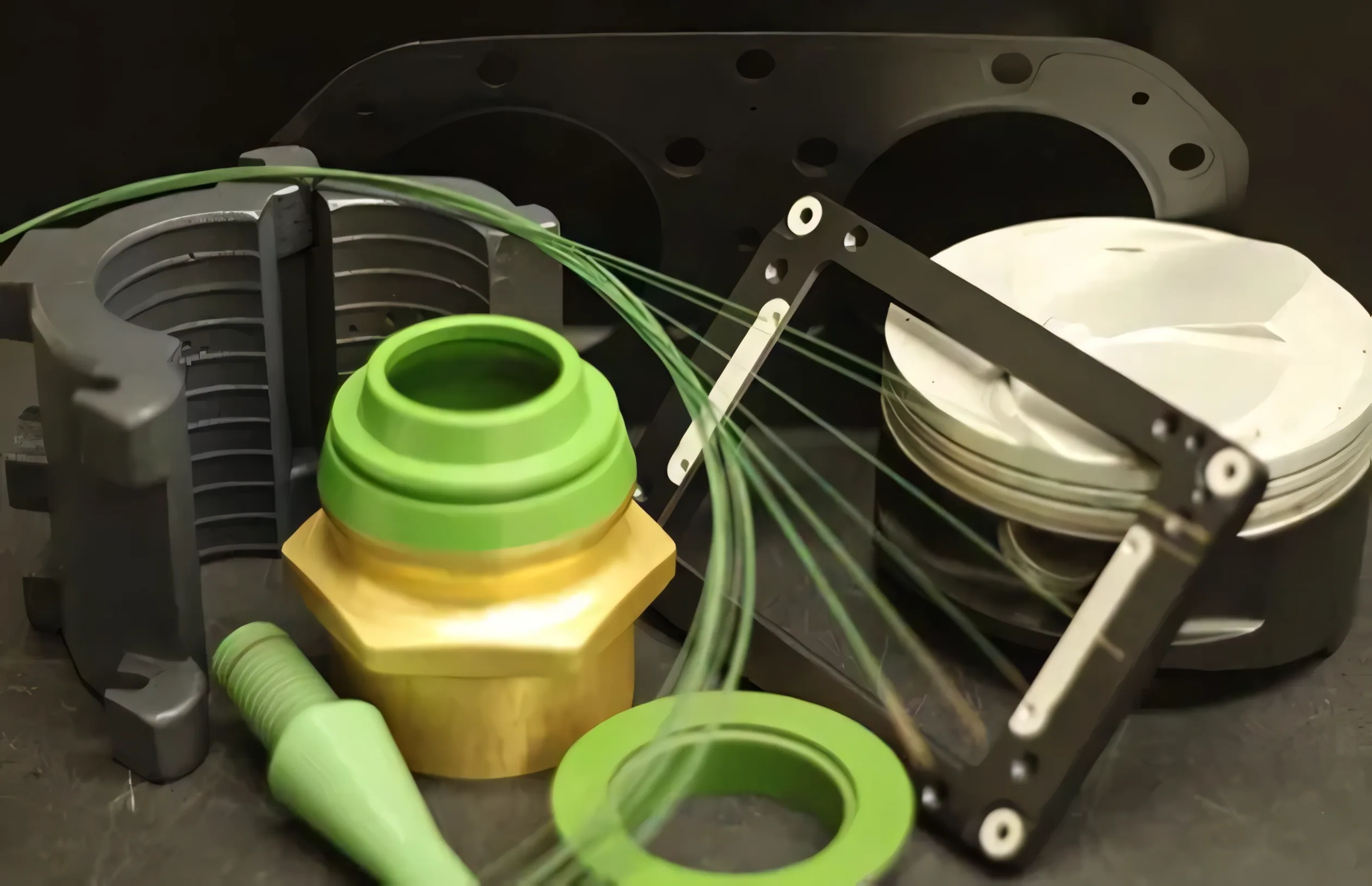
Xylan 8870 “Thyme Green” is FDA-acceptable and built for extreme release: production moulds, forming tools and non-stick fixtures. Xylan 8840 Off White does the same job where a white finish matters, on cheese moulds, augers and mixer bowls. Both are applied as thin films, so clearances are kept. Most of AST's more than 300 Xylan jobs since 2014 have been in these two grades, on food and dairy equipment.
The release grades cure at 360–400 °C, so they don't suit temper-sensitive aluminium. Bearing and fastener grades such as 1052 and 1424 are not offered for food contact.
What to send us
- What the part does: load, sliding speed, release, corrosion or torque.
- The substrate alloy and temper.
- The operating temperature, and whether it touches food.
- A drawing showing which faces are coated and which must stay bare.
- The grade, if your specification names one.
We will confirm the grade and cure and quote the part. See Xylan coating services, Xylan vs Teflon and Is Xylan a PFAS?